
A Journey Through Time: The Stories Behind Hyderabad's Iconic Silver Jewellery
The Unsung Splendour of the City of Pearls
Hyderabad, the historic City of Pearls, is often celebrated globally for the dazzling diamonds of Golconda and the regal gold collections of the Nizams. Yet, deeper and stronger than the glint of gold runs a silent, enduring legacy forged in silver. Hyderabad silver jewellery holds a unique place in the city's cultural heart, offering authenticity, versatility, and profound historical depth. Unlike gold, which symbolized overt political power and immense wealth, silver rooted itself in the spiritual and everyday lives of the Deccan people.
The journey takes one through how the skilled artistry of the region has transformed silver from a ritualistic element into a modern fashion essential-from sculptural relief work to delicate wirecraft. We will uncover the traditional techniques and see how brands like Ekadhi Jewels are ensuring this handcrafted silver jewellery continues to shine for generations to come.
Royal Lineage and the Historical Significance of Silver in the Deccan
The historical significance of silver in Hyderabad is tied closely to the region’s complex, blended heritage. Fully two hundred and twenty-four years of the Asaf Jahi dynasty Nizams established an environment that assimilated local craftsmanship with Mughal, Deccani, and later Victorian European aesthetics. While the state regalia of the Nizam was famed for its unparalleled collection of diamonds, emeralds, and pearls, this era nurtured the master craftsmanship found in the wider region, setting an exceptionally high standard for all metalwork.
More importantly, silver remained intrinsically ritualistic in status, positioning it as a metal of purity, peace, and grace, often regarded equal to gold in ancient traditions. This spiritual value ensured continuous demand, regardless of shifting economic tides. Its use is non-negotiable in key societal moments: infants are traditionally gifted silver anklets or bowls during naming ceremonies, and brides wear silver toe rings and payals as essential symbols of marital joy and protection. Festivals like Diwali and Raksha Bandhan remain pivotal occasions where silver ornaments in Hyderabad are exchanged as blessings, confirming their role as tangible representations of prosperity and tradition across generations. This deep cultural anchoring means silver’s value is firmly tied to tradition, giving it an enduring demand that is resilient to mere fashion cycles.
The Mastery of Deccani Silversmiths: Nakshi and Filigree
Hyderabad’s silversmiths are renowned for their expertise in highly specialized techniques, showcasing the breadth of metalworking excellence in the Deccan region. The simultaneous mastery of two contrasting arts, Nakshi and Filigree, defines the regional style, allowing artisans to cater to diverse aesthetic tastes, from heavy antique to light contemporary looks.
Nakshi Jewellery: Sculpting Divine Narratives
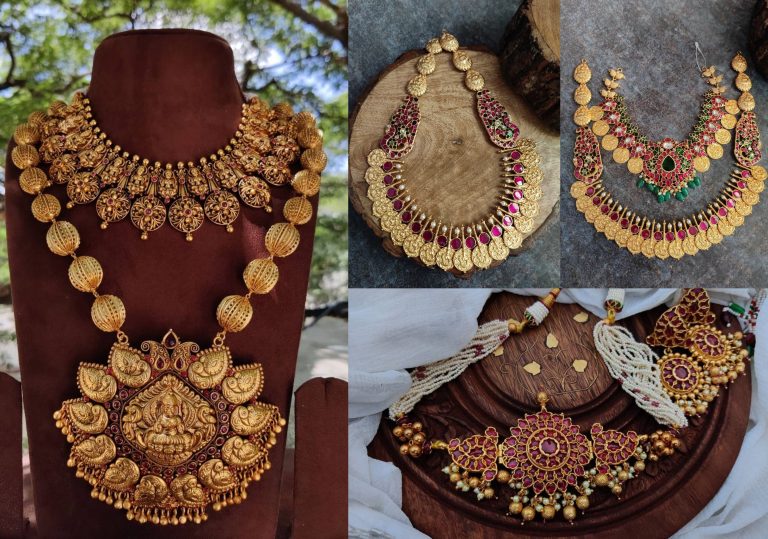
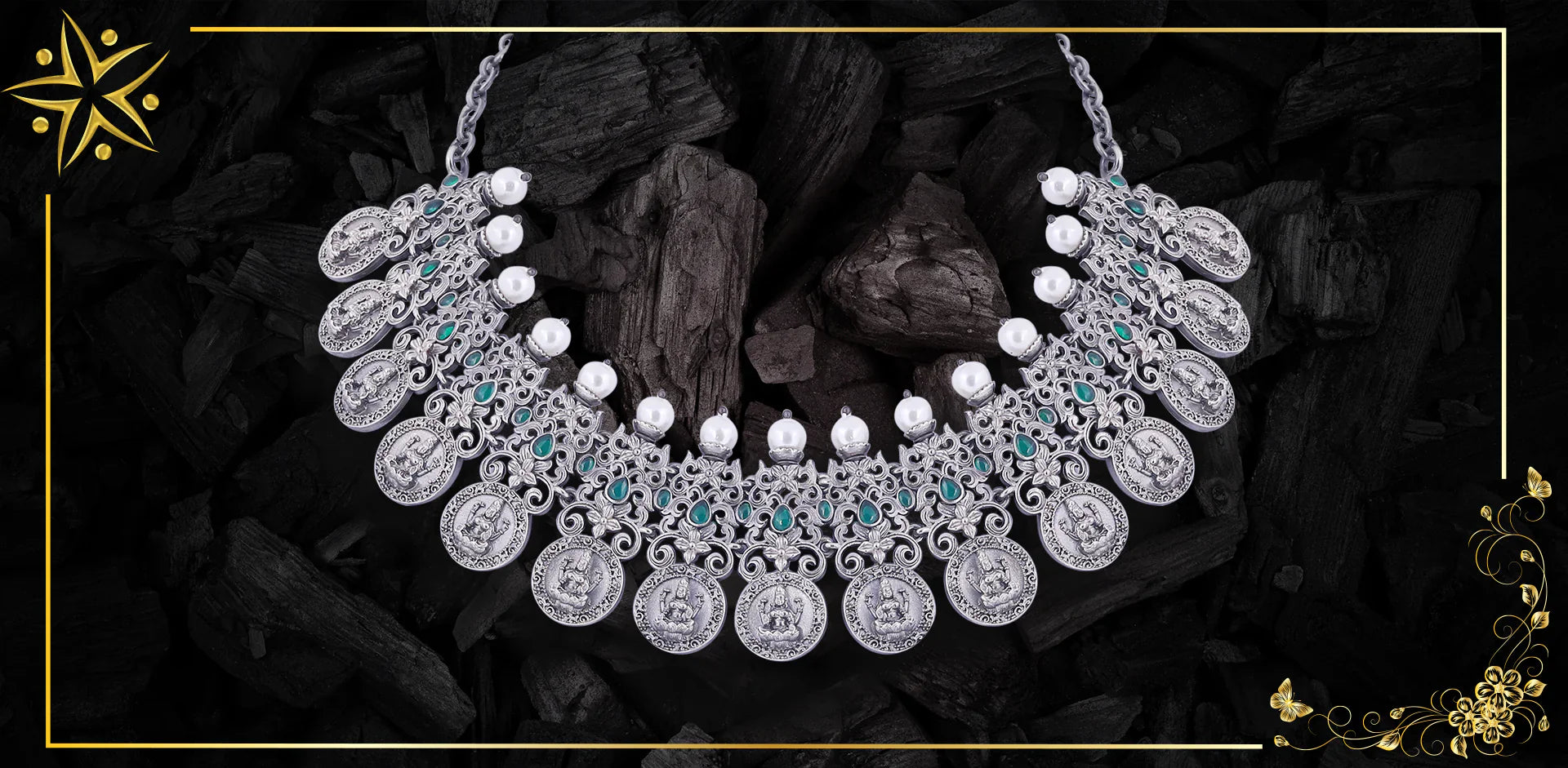
Hyderabad is specifically known for its mastery of Nakshi work and Temple jewellery, often associated with royal and divine motifs. Nakshi is a specialized form of high-relief carving or embossing. The artisans use minute tools to make the designs "burst forth" from the silver surface to get detailed, rich story jewellery. The traditional motifs, such as twisting vines, flowers of lotus, and divine figures, are drawn directly from the architecture of palaces and temples. This craftsmanship lends the jewellery a noble status, often making Nakshi pieces popular during sacred rituals and festivities.
Karimnagar Silver Filigree (Tarakasi)
Complementing the sculptural beauty of Nakshi is the delicate art of Silver Filigree or Tarakasi, in other words, wire work. This GI-tagged traditional craft from nearby Karimnagar brings out the broader Telangana region’s expertise. Filigree, derived from Latin words meaning “thread” (filum) and “grain” (granum), is an intense process of drawing out molten silver into extremely fine strands. These threads are then meticulously woven into intricate, lacelike Jaali patterns that evoke a sense of airy grace. The designs frequently draw inspiration from nature, depicting birds, flowers, and geometric compositions, showcasing the artisan’s skill and dexterity.
Evolution, Modern Versatility, and Purity
The evolution of Hyderabad’s silver styles reflects a smooth transition from historical influences to modern functional demands. The inclusion of British Victorian sensibilities with floral engravings, filigree details, and sentimental lockets during the colonial era was promptly adapted into the skill sets of local silversmiths. This coming together of Eastern and Western design laid the foundation for today's fusion aesthetic.
The minimalist way of life favours versatility, and this is what drives the current market. Silver, with its soft glow and elegant finish, enhances an outfit without overpowering it, thus becoming the hot favourite for everyday wear, office wear, and light festive wear that easily fuses with both Indian and Western attire.
This practicality has standardized the use of 925 sterling silver. Unlike pure silver, which is soft and easily bent at 99.9%, 925 sterling silver contains 92.5% pure silver and 7.5% alloy, usually copper. This specific ratio provides the essential hardness and durability needed for wearable pieces so that delicate designs like the Guttapusala haram or Gold-Plated Silver Bangles would not get damaged despite frequent use. Thus, a deliberate choice of material ensures heritage design evolves into lasting, modern pieces that double as investments in everyday elegance.
The Human Element: Artisans, Ethics, and Sustainability
The preservation of complex skills like Nakshi and Filigree relies heavily on hereditary silversmiths, sometimes referred to as woves, located in areas such as Secunderabad. The history of persistence in these artisan families is compelling; for instance, the Arroju family, known for their filigree work, faced financial struggles but preserved their legacy, which includes crafting silver buttons for India’s first Prime Minister, Jawaharlal Nehru. Supporting these local artisans by making handcrafted silver jewellery a priority ensures that the human artistry and meaning lost with mass-market, machine-made pieces continue to thrive.
For modern consumers, ethical provenance is paramount. Many top brands are going green by reducing the dependency on mining most environmentally intensive process. The use of recycled silver is a cornerstone in such movements since it can reduce carbon emissions resulting from its production by about 66%. Consumers, by making purchase decisions to support brands committed to ethical sourcing, transparent production, and good compensation for their craftspeople, ensure that their purchase supports both local heritage and a healthier planet.
How to Care and Maintain Silver Jewellery
Sterling silver jewellery can last lifetimes and develop a unique heirloom patina. Simple, regular care will prevent tarnishing (oxidation due to sulphur and moisture):
Proper Storage: Store each piece individually to prevent scratching. Always choose a cool, dark, and dry environment, ideally using airtight containers. Avoid storage in materials like paper or cardboard, which can contain trace amounts of sulfur that accelerate tarnishing.
Moisture Control: Place anti-tarnish strips or small silica gel packs (like those found in shoe or clothing packaging) with your silver pieces. These elements absorb excess moisture and atmospheric sulfur.
Chemical Avoidance: Always remove your silver ornaments before using household cleaners, going to pools containing chlorine, or using skin care products, perfumes, or lotions, as these accelerate discoloration tremendously.
Regular Cleaning: When your silver pieces become dull, clean them using mild dishwashing soap and warm water with a soft cloth or brush. Rinse the item well and, critically, make sure it's totally pat dried straight away before being worn or put into storage.
FAQs
1. Why is my silver jewellery stamped ‘925’ and not ‘1000’ (Pure Silver)?
A. The "925" hallmark certifies your piece as 925 sterling silver, meaning it comprises 92.5% pure silver. This is the international standard for fine, wearable jewellery. Pure silver, 99.9% and often marked '999', is too soft and malleable to be used for durable daily wear as it scratches and bends easily. The essential strength brought by the necessary 7.5% alloy-usually copper-provides what is needed to hold the structure of elaborate designs such as Nakshi and Filigree and makes your silver rings and necklaces long-lasting.
2. Does silver jewellery tarnish easily and is it difficult to clean?
A. Yes, all silver will react naturally with the sulfur compounds in the air to cause tarnishing over time. Still, sterling silver is generally easy to care for. Interestingly, regular wear often helps to slow the tarnishing process due to friction. Simple home cleaning remedies, such as mild dish soap and warm water followed by careful drying, or the use of specialized polishing cloths, easily restore the brilliance of the metal. The effort required compared to the lasting value of the piece is minimal.
3. What does the new HUID hallmarking mean for me buying certified silver jewellery?
A. This is important to ensure that the value and authenticity of your purchase are secured. The Bureau of Indian Standards is introducing HUID-based certification for silver. In other words, your hallmark silver jewellery will be traceable with a unique code and verified hallmark components, including the word 'SILVER', the purity grade, such as 925, and also the HUID code. You will be able to verify the purity digitally from the BIS Care App, details of the Assay Centre, and the jeweller's registration number. This regulation guarantees purity with complete transparency in each purchase and saves you from fraud, while at the same time increasing the resale value.
4. How do I make sure that the silver I am purchasing supports ethical initiatives and minimizes environmental impact?
A. You can ensure ethical consumption by choosing brands that are transparent about their sourcing. Look for jewellers who actively use recycled silver. Recycled metal drastically cuts the carbon footprint, energy consumption, and environmental degradation involved in mining new silver. Secondly, select brands that focus on artisan support, ensuring good compensation and non-toxic, safe manufacturing processes for those who create the more traditional, handmade pieces of silver jewellery, thus preserving the craftsmanship for the future.
Conclusion
Hyderabad’s silver jewellery offers more than just adornment; it is a wearable history, rich in the cultural narratives of the Deccan. From the devotion sculpted into Nakshi to the precise geometry of Filigree, these silver ornaments deliver authentic heritage, unmatched versatility, and enduring value. By embracing modern durability standards like 925 sterling silver and committing to sustainable practices, this traditional craft is perfectly positioned for the contemporary market.
Ready to wear a piece of history that aligns with modern, conscious luxury? Discover the exquisite blend of antique Deccani heritage and modern sophistication in the 925 sterling silver collection at Ekadhi Jewellery. Every piece tells a story, explore our handcrafted collections today at ekadhijewels.com.